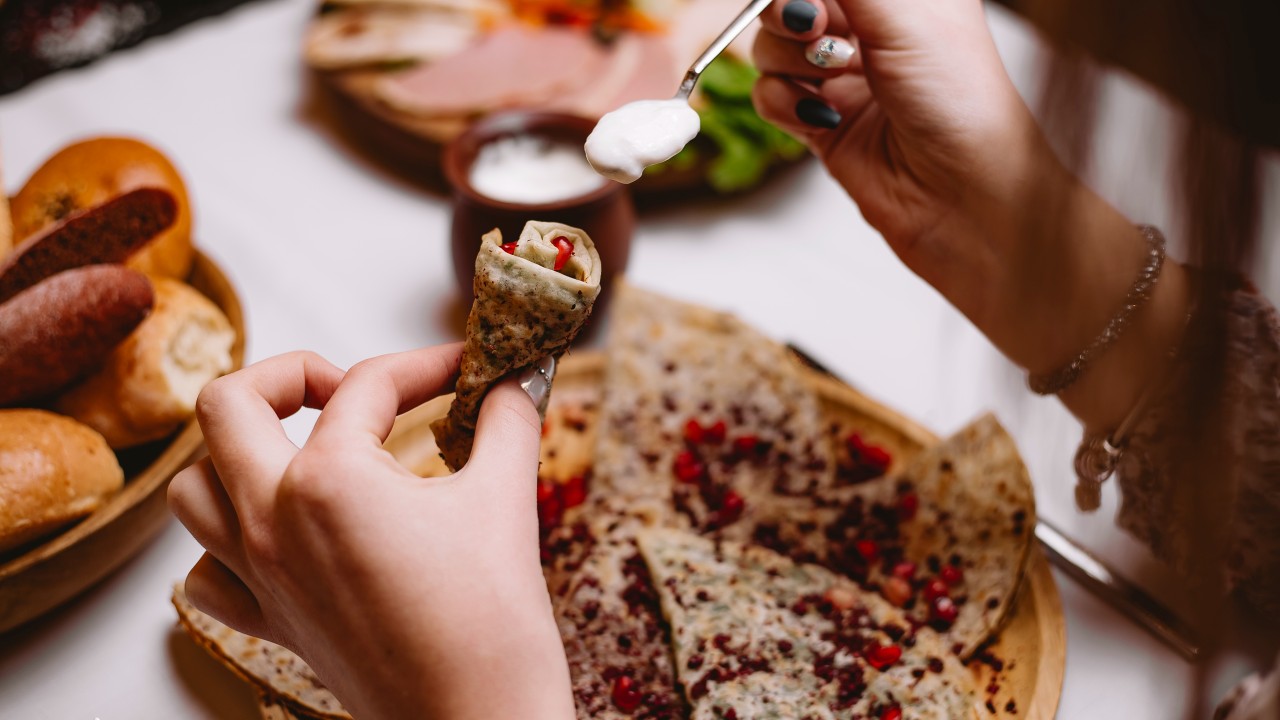
Mclub World – Food Tourism has become one of the most powerful cultural and economic forces in today’s world, and its influence continues to expand. In recent years, food television shows have emerged as a hidden driver behind the growing interest in culinary exploration. Viewers who once enjoyed cooking shows as simple entertainment are now inspired to travel, taste, and experience dishes they saw on screen. This phenomenon reshapes not only the way people travel but also how communities present their culture and identity. Local food producers, street vendors, and family-owned restaurants are now part of a larger story that brings opportunities and challenges. As more travelers are motivated by culinary adventures, the bond between media and tourism strengthens, sparking a cycle where storytelling fuels discovery and discovery builds stronger industries.
“Read More: The Future Is Artificial intelligence: Top 10 Facts Driving Global Transformation”
The role of television in promoting Food Tourism has become undeniable. Popular shows highlight exotic destinations, unique cooking techniques, and authentic stories that attract viewers to step beyond their comfort zone. When a dish is showcased on a global platform, demand for it quickly grows, encouraging travelers to visit the exact places where it is served. For instance, a humble food stall in a small town can experience a surge of visitors after being featured in a series. This connection between media and travel brings visibility to communities that were once overlooked. The cycle proves how media not only entertains but also creates direct economic impact by pushing audiences to transform curiosity into action. With this shift, television becomes an engine that builds global culinary connections.
One of the most direct benefits of Food Tourism comes from the spotlight placed on small and local businesses. Family-run cafes, traditional markets, and heritage recipes suddenly find themselves celebrated by international visitors. When travelers arrive after seeing these places featured on shows, they spend money directly with the businesses and indirectly with the community. This leads to increased revenue and sometimes even expansion opportunities. In some cases, business owners also modernize their services to meet global demand while maintaining cultural authenticity. These transformations demonstrate how culinary storytelling not only provides entertainment but also reshapes livelihoods. Food Tourism empowers entrepreneurs to take pride in their traditions while opening doors to growth that might have seemed impossible before.
“Read About: You Won’t Believe How People Are Using ChatGPT Every Day”
While Food Tourism fuels growth, it also brings challenges that must be addressed. A sudden wave of visitors can overwhelm local businesses that were never designed to handle large crowds. Rising demand may also lead to commercialization where authenticity risks being diluted. Communities often face pressure to adapt faster than they are ready, and some traditions risk being overshadowed by the need to please tourists. Moreover, prices of local dishes can increase due to popularity, leaving original customers struggling to afford them. These situations highlight the need for balance between tourism and cultural preservation. By addressing these challenges with thoughtful policies, communities can sustain growth without losing their unique character. Food Tourism must be managed carefully to benefit everyone involved.
Despite the risks, Food Tourism often strengthens cultural identity in powerful ways. Local communities begin to see value in their food heritage when outsiders appreciate it. Younger generations who may have once dismissed traditional dishes find renewed pride in their roots. Food TV shows often emphasize storytelling, connecting recipes to family histories and regional cultures. This inspires communities to preserve traditions and pass them down with greater enthusiasm. In this way, culinary tourism acts not only as an economic driver but also as a cultural safeguard. The act of eating becomes an opportunity for education, where visitors learn the deeper meaning behind flavors. By promoting authenticity, communities ensure that growth supports identity rather than erases it.
Looking ahead, Food Tourism will likely grow stronger as media platforms continue to expand. Streaming services, social media, and digital content push culinary storytelling to a wider audience than ever before. Local chefs can gain global recognition overnight, and remote towns can become international travel destinations. Governments and tourism boards are beginning to recognize this potential, investing in campaigns that highlight their culinary assets. The next wave of growth may even combine food with technology, where virtual experiences spark real-world travel. Ultimately, the relationship between television and travel is still evolving, and its impact shows no signs of slowing down. As media continues to spotlight food stories, communities will keep reaping both opportunities and responsibilities.
Mclub World - Klub malam paling hits di Jakarta menggelar serangkaian event kuliner yang memadukan musik EDM dengan hidangan khas…
Mclub World - Gairah nightlife di Jakarta meningkat 22% pada Q3 2024, menurut survei Kantar, menandai lonjakan minat pada club…
Mclub World - teknologi digital modern telah merombak cara pengunjung menilai pengalaman club party, dengan data real‑time dari sensor suara…
Mclub World - Jakarta - Pada Sabtu malam, klub terbesar di kota menampilkan DJ internasional yang menarik ribuan penonton, sementara…
Mclub World - Destinasi club party di beberapa kota besar kini menjadi magnet wisata malam bagi para traveler yang mencari…
Mclub World - Kunjungan wisata kuliner malam clubbing di kota besar Indonesia mencatat lonjakan 23% sepanjang kuartal ketiga 2023, membuktikan…
This website uses cookies.