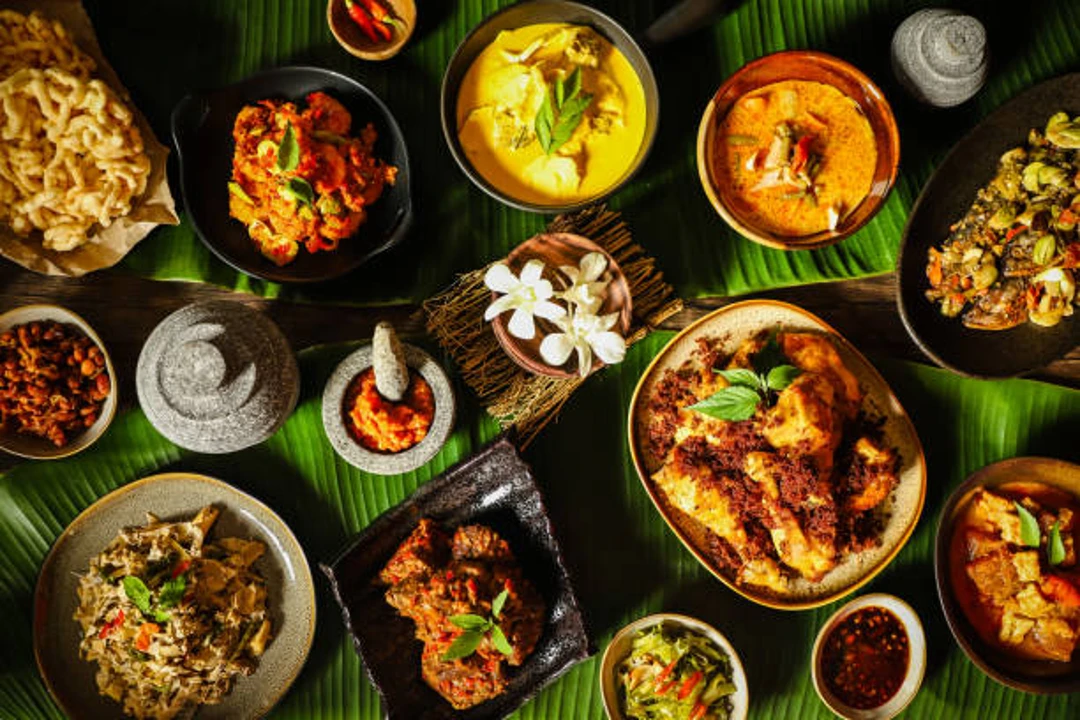
Mclub World – Culinary Tourism offers travelers much more than meals, it creates experiences that capture history, culture, and tradition. Indonesia stands out because of its remarkable variety of dishes spread across thousands of islands. Each recipe reflects the unique blend of spices, geography, and local identity. Visitors who try rendang in West Sumatra or martabak in Jakarta encounter flavors impossible to forget. These dishes spark conversations that go beyond taste and connect people to stories of the region. The government has recognized this demand and developed travel packages centered on food. Through such efforts, Indonesia is turning meals into cultural gateways. Today’s tourists search for authentic moments, and food provides exactly that. By tasting a dish or joining a cooking class, they learn directly from the community. Culinary Tourism in Indonesia, therefore, is not only about eating but also about living the traditions of its people.
“Read More: Top 10 Most Influential Websites of All Time”
Culinary Tourism in Indonesia doubles as an introduction to culture. Travelers often discover that food acts like a mirror of values and heritage. Bali highlights ceremonial dishes rich in herbs, while Java blends hearty flavors influenced by centuries of history. These meals create stories that extend beyond the table. Cooking classes, food tours, and market visits allow tourists to participate rather than simply observe. In each interaction, they gain knowledge of customs, beliefs, and traditions that textbooks cannot offer. Families who open their kitchens to guests share recipes along with personal stories. Such exchanges build stronger connections and add meaning to every bite. Instead of being passive observers, visitors join cultural experiences that bring them closer to local life. Culinary Tourism therefore turns food into a living classroom where culture, identity, and hospitality are served together.
Culinary Tourism provides clear benefits for local economies. Visitors who choose family owned warungs or attend traditional cooking workshops channel money directly into communities. These choices help small businesses survive and expand. Farmers, vendors, and cooks find greater opportunities as demand for local products increases. For example, Padang’s food scene thrives because travelers actively seek authentic experiences rather than generic restaurants. Yogyakarta also benefits from visitors who support artisans through culinary tours. This spending strengthens community resilience and helps younger generations see value in preserving recipes. Rather than losing traditions to modern fast food, locals revive them for tourism. Culinary Tourism also supports job creation in logistics, marketing, and hospitality. As a result, communities not only protect their heritage but also grow financially. Indonesia’s food culture becomes an engine for development while keeping its authenticity alive.
“Read About: Mchoice Mint Awards 2025: Who Took Home the Biggest Wins This Year”
Global travelers now demand authenticity, and Culinary Tourism fits this shift perfectly. People crave unique, personal experiences rather than mass produced options. Social media accelerates this demand as dishes from around the world go viral. Nasi goreng, sate, and es cendol frequently trend online, creating curiosity among international audiences. These viral moments often inspire travelers to visit Indonesia specifically to taste the real thing. The government has responded with campaigns that promote food tours, festivals, and farm-to-table experiences. Such strategies match global expectations of sustainable and immersive travel. In this way, food becomes both a cultural symbol and a marketing tool. Tourists who post photos of Indonesian dishes also act as ambassadors for the country. Culinary Tourism is therefore positioned not only as a trend but as a sustainable model for the future.
The future of Culinary Tourism in Indonesia looks promising and filled with opportunities. International recognition of Indonesian dishes is rising through awards and global media exposure. Regional festivals now highlight unique local dishes while drawing attention to diverse culinary traditions. Collaboration between chefs, farmers, and tourism agencies strengthens this momentum. Tourists increasingly want to know where ingredients come from and how dishes are prepared. Indonesia’s natural resources and cultural depth provide the perfect foundation for this growing demand. Cooking tours, night markets, and eco friendly dining experiences already attract significant attention. If supported by smart policy and community engagement, Culinary Tourism could become a defining feature of Indonesia’s global brand. Rather than being seen only for beaches and temples, Indonesia may soon be recognized as a top destination for food lovers worldwide.
Mclub World, Jakarta - Laporan Nielsen 2024 menyebutkan 72 persen generasi Z di ibu kota kini menganggap interaksi sosial autentik…
Mclub World - Data terbaru dari Statista 2024 mengungkapkan bahwa pendapatan sektor bar dan klub malam global mencapai 33,4 miliar…
Mclub World, Jakarta - Laporan terbaru dari Dinas Pariwisata dan Ekonomi Kreatif DKI Jakarta pada kuartal kedua 2024 menunjukkan bahwa…
Mclub World, Jakarta - Sebuah survei internal yang dilakukan oleh komunitas nightlife pada akhir 2023 mengungkap fakta mengejutkan: sekitar 65%…
Mclub World - Industri hiburan malam di Tanah Air sedang berada di titik balik besar-besaran. Tren menunjukkan bahwa pengeluaran sektor…
Mclub World - Industri hiburan malam di Indonesia mencatat pertumbuhan signifikan sepanjang tahun 2024, dengan lonjakan transaksi sektor F&B di…
This website uses cookies.