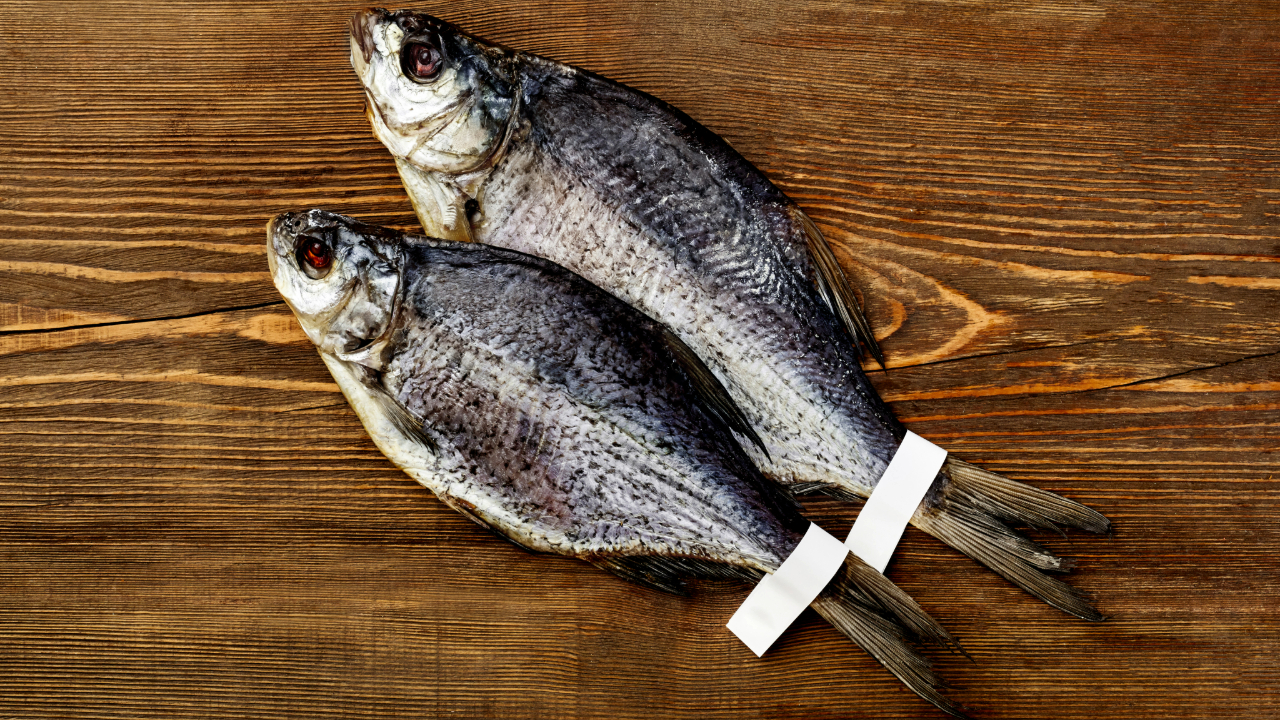
Mclub World – Nationwide Fish Recall has become one of the most troubling food safety issues in years. Shoppers everywhere now ask if the products in their baskets are safe. The recall has spread across brands and types of fish, reaching retailers in many regions. Families who eat fish for its health benefits suddenly doubt their meals. Public concern grew as health officials raised warnings about contamination. In homes across the country conversations about food safety became urgent. The incident unsettled not only consumers but also the entire seafood industry. Trust between buyers and producers broke down almost overnight. The disruption shows how fast food alerts can change daily habits. Families hesitate at the store and restaurants face pressure to adapt. This sudden fear demonstrates how fragile confidence is when food safety issues appear.
“Read More: The Future Is Artificial intelligence: Top 10 Facts Driving Global Transformation”
Nationwide Fish Recall has reached into homes and shops with direct consequences. Families who stocked freezers with fish now throw away meals they had planned. Retailers cleared shelves quickly after health regulators issued strong warnings. Communities that depend on seafood face new challenges in planning meals. In many towns long lines formed as customers returned products and claimed refunds. Restaurants that feature seafood on their menus changed dishes to avoid any risks. Some had to remove popular items and replace them with safer options. These steps created stress for owners and disappointment for loyal diners. The disruption brought both financial loss and frustration. Shoppers lost money and time while restaurants lost customers. The recall revealed how easily supply chains can be shaken. When food safety is questioned trust disappears fast and recovery becomes difficult for businesses and households alike.
Health authorities moved fast once contamination reports appeared. Federal agencies worked with state offices to trace the fish and issue public alerts. Officials gave clear instructions to retailers to remove affected batches from display. Consumers were urged to check packaging codes and avoid risky products. Inspectors visited supermarkets and distribution centers to ensure the recall was followed. Press conferences explained both the dangers and the actions underway. Regulators also reminded the public to stay cautious while investigations continued. The seafood industry carried much responsibility but public trust depended on official action. Visible enforcement helped reassure worried families and strengthened compliance from retailers. The quick response showed how well agencies can coordinate when lives may be at risk. Transparent communication proved essential during this crisis and helped slow down panic. Without these efforts the confusion could have spread much further and caused greater harm.
“Read About: This Is How EdTech Is Breaking Barriers in the Harshest Learning Conditions”
The recall caused huge losses across the seafood market. Distributors halted shipments and accepted returns that piled up in warehouses. Fishing communities that rely on steady buyers saw income fall sharply. Families that depend on this work now face financial hardship. Large supermarket chains counted losses from refunds and from shoppers avoiding fish entirely. Export markets also cooled as foreign buyers questioned product safety. Contracts between suppliers and retailers were delayed or canceled. Insurance claims began to rise and legal disputes are expected. Some businesses may take years to recover. The pressure is not only financial but also reputational. Companies must prove they can prevent future problems and win back trust. Every layer of the supply chain feels the impact. From fishermen to exporters the recall reshaped the market. Confidence in seafood has been shaken and the path back will not be easy.
Consumer reaction plays a key role in shaping the future of any industry. In this recall fear and caution dominate buyer choices. Many households have switched from fish to chicken or plant proteins. Social media is filled with posts debating which brands are safe. Parents take extra care and serve meals that carry no link to the recall. Trust that took years to build can vanish within days. Producers must now focus on transparency and strict safety measures. Clear labeling and stronger communication will be necessary to rebuild confidence. Restaurants also adapt by offering alternative dishes to attract hesitant customers. Shoppers are more alert than before and demand higher standards. The recall proves that once doubt enters the public mind it lingers. The seafood industry now faces the challenge of repairing both image and sales in a competitive and fragile market.
Mclub World - Jakarta - Pada Sabtu malam, klub terbesar di kota menampilkan DJ internasional yang menarik ribuan penonton, sementara…
Mclub World - Destinasi club party di beberapa kota besar kini menjadi magnet wisata malam bagi para traveler yang mencari…
Mclub World - Kunjungan wisata kuliner malam clubbing di kota besar Indonesia mencatat lonjakan 23% sepanjang kuartal ketiga 2023, membuktikan…
Mclub World, Jakarta - Laporan Nielsen 2024 menyebutkan 72 persen generasi Z di ibu kota kini menganggap interaksi sosial autentik…
Mclub World - Data terbaru dari Statista 2024 mengungkapkan bahwa pendapatan sektor bar dan klub malam global mencapai 33,4 miliar…
Mclub World, Jakarta - Laporan terbaru dari Dinas Pariwisata dan Ekonomi Kreatif DKI Jakarta pada kuartal kedua 2024 menunjukkan bahwa…
This website uses cookies.